
Why Swim Suits Wear Out So Fast (and How to Make Yours Last Longer) – 2026 Guide
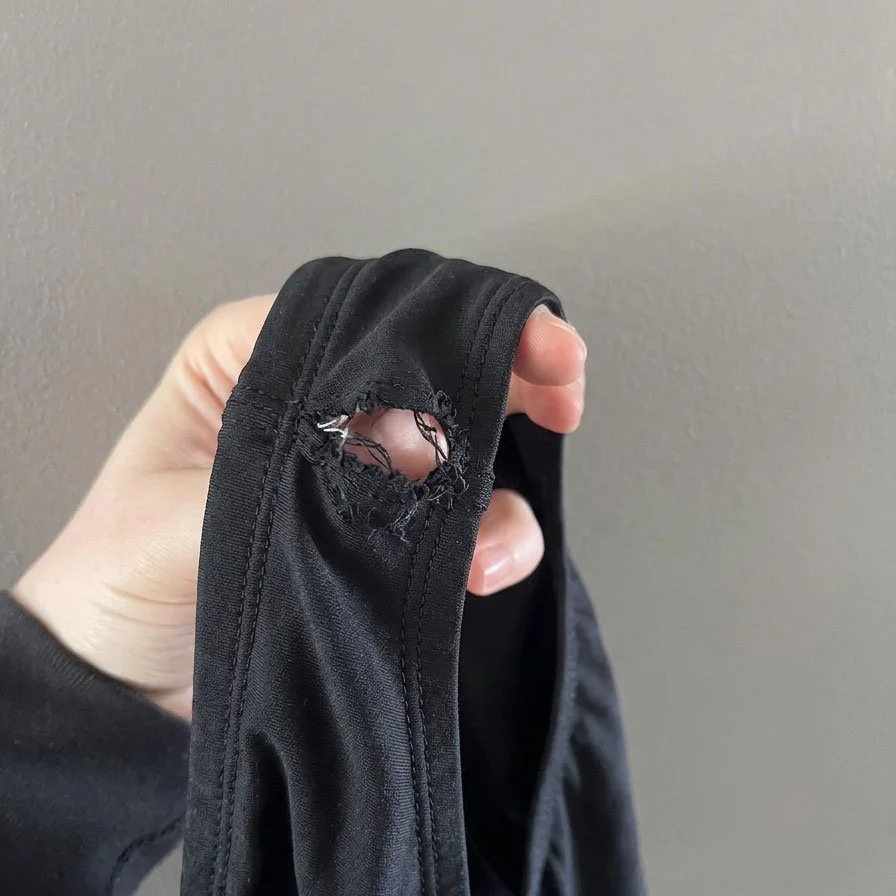
If you’re a competitive swimmer, you’ve probably experienced this:
You buy a new suit. It fits perfectly. It feels fast in the water.
Then a few weeks later…
It’s stretched out. Faded. Loose. Not the same.
And you’re left wondering:
Why do swimsuits wear out so fast?
The answer comes down to a few key factors—most of which swimmers don’t fully understand.
In this guide, we’ll break down:
Why swimsuits lose their shape
What causes fabric breakdown
How to make your suits last significantly longer
What to look for in a durable training suit
The Main Reason Swim Suits Wear Out: Chlorine
The #1 reason swimsuits wear out is chlorine.
Chlorine is essential for keeping pools clean—but it’s extremely harsh on fabric.
Over time, it breaks down the fibers in your suit, leading to:
Loss of elasticity
Fading colors
Thinning material
A loose, sagging fit
What’s Actually Happening?
Swimwear is made from elastic fibers that allow it to stretch and hold shape.
Chlorine slowly damages those fibers, causing them to:
Lose their ability to stretch
Stop snapping back into place
Become weaker and less durable
That’s why your suit feels great at first—but gradually changes over time.
How Fast Do Swim Suits Wear Out?
It depends on how often you swim.
For competitive swimmers:
5–6 practices per week
High chlorine exposure
A low-quality suit can start breaking down in 2–4 weeks
Higher-quality suits:
Can last 2–3x longer with proper care
Other Factors That Destroy Swim Suits
Chlorine is the biggest factor—but it’s not the only one.
1. Wearing the Same Suit Every Day
This is one of the most common mistakes.
When you wear the same suit every practice:
It never fully dries
Chlorine stays trapped in the fabric
Fibers break down faster
Result: your suit wears out much faster.
2. Improper Washing
Throwing your suit into the washing machine might seem harmless—but it’s not.
Washing machines:
Stretch fabric aggressively
Use harsh detergents
Damage elastic fibers
Even one wash cycle can reduce lifespan.
3. Heat Exposure
Heat is one of the fastest ways to destroy a swimsuit.
This includes:
Dryers
Hot water
Direct sunlight
Heat weakens the fabric and accelerates breakdown.
4. Rough Surfaces
Sitting on rough pool decks or walls can:
Snag fabric
Cause small tears
Weaken material over time
It might not seem like much—but repeated exposure adds up.
How to Make Your Swim Suit Last Longer
The good news: a few simple habits can double or even triple the lifespan of your suit.
Rinse Immediately After Practice
This is the most important step.
Rinsing your suit in cold water helps remove chlorine before it damages the fabric.
Do it right after every swim.
Rotate 2–3 Suits
Instead of wearing the same suit every day:
Use 2–3 suits in rotation
This allows:
Each suit to fully dry
Fabric to recover
Less overall wear per suit
Air Dry Only
Never use a dryer.
Instead:
Hang your suit to dry
Keep it in a shaded area
Avoid direct sunlight when possible.
Avoid the Washing Machine
If you need to clean your suit:
Hand wash gently with mild soap
That’s it.
Be Careful Where You Sit
Avoid:
Rough pool decks
Concrete edges
Sharp surfaces
Small habits = longer lifespan.
Why Suit Quality Makes a Huge Difference
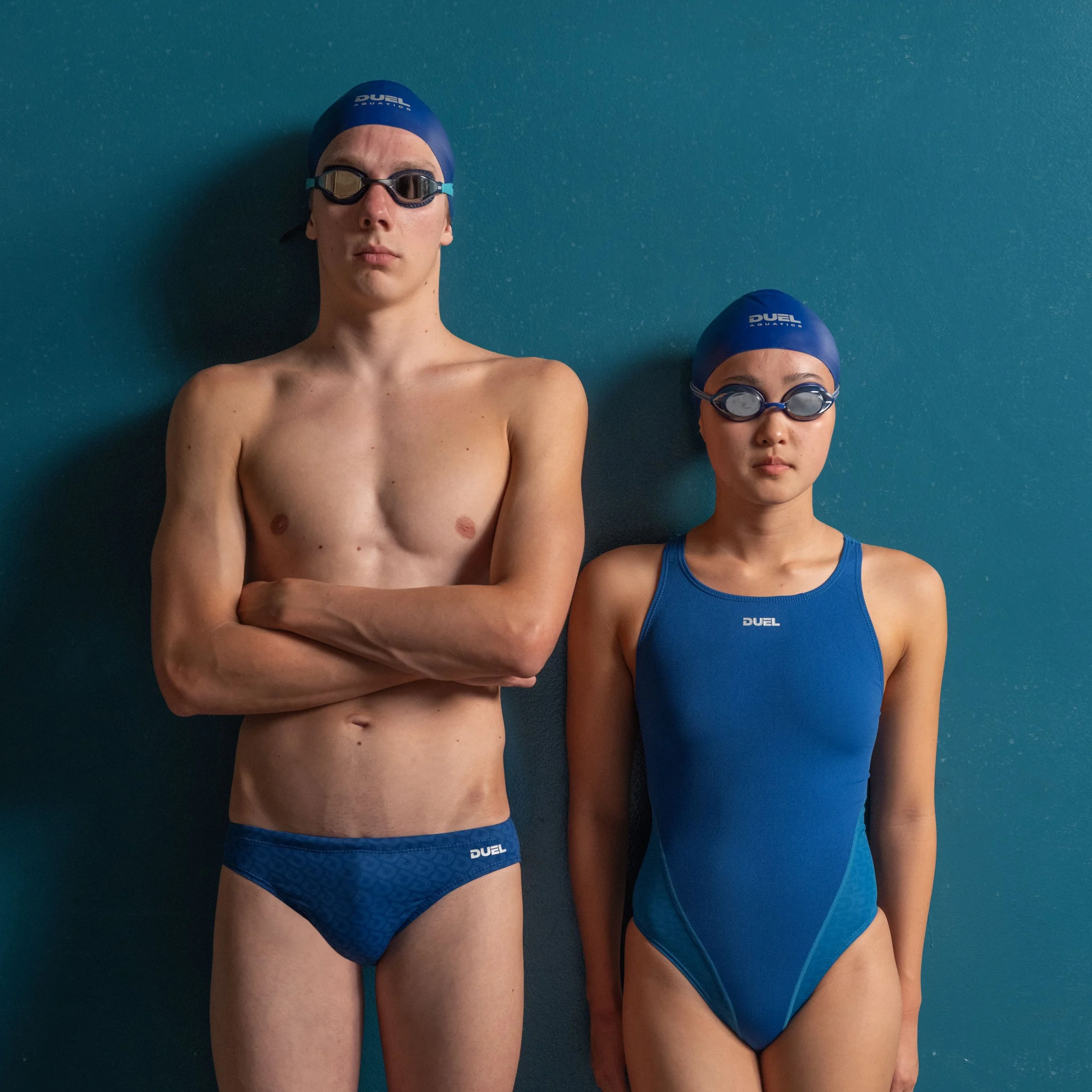
Not all swimsuits are built the same.
Lower-quality suits:
Use weaker materials
Break down quickly in chlorine
Lose fit faster
Higher-quality training suits are designed to:
Resist chlorine damage
Maintain elasticity
Hold their shape over time
The Real Cost Difference
A cheaper suit might cost less upfront—but if it only lasts a few weeks, you’ll replace it more often.
A higher-quality suit:
Lasts longer
Performs better
Saves money over time
What to Look for in a Durable Training Suit
If you want a suit that lasts, look for:
Chlorine-Resistant Fabric
Designed specifically for daily training
Strong Construction
Reinforced stitching and durable materials
Consistent Fit
Holds shape over time—not just day one
Performance Design
Built for swimmers, not casual use
Signs Your Suit Is Worn Out
Not sure if it’s time to replace your suit?
Look for these signs:
Feels loose or saggy
Faded color
Fabric feels thinner
Doesn’t stay in place during practice
If you notice these, your suit is no longer performing the way it should.
Why This Matters More Than You Think
Most swimmers accept worn-out suits as normal.
But here’s the reality:
A bad suit can:
Distract you during practice
Affect how you feel in the water
Reduce your focus
A good suit does the opposite.
It becomes something you don’t even think about.
And in swimming, that’s exactly what you want.
The Smart Swimmer Approach
Swimmers who take their training seriously:
Rotate multiple suits
Rinse after every practice
Invest in quality gear
Replace suits when needed
It’s not complicated—it’s consistent.
Final Thoughts: Make Your Gear Work for You
Swimming is a sport built on repetition.
You show up. You put in the work. You improve over time.
Your gear should support that process—not hold you back.
Understanding why swimsuits wear out—and how to prevent it—is a small change that makes a big difference.
Looking for a Suit That Lasts?
If you’re tired of suits that stretch out and lose their shape:
Look for training suits built with:
Chlorine-resistant materials
Performance-focused design
Long-lasting fit
The Duel Aquatics S-1 Eco Brief and S-1 Eco Racerback were designed specifically for swimmers who train consistently and need a suit that holds up over time.