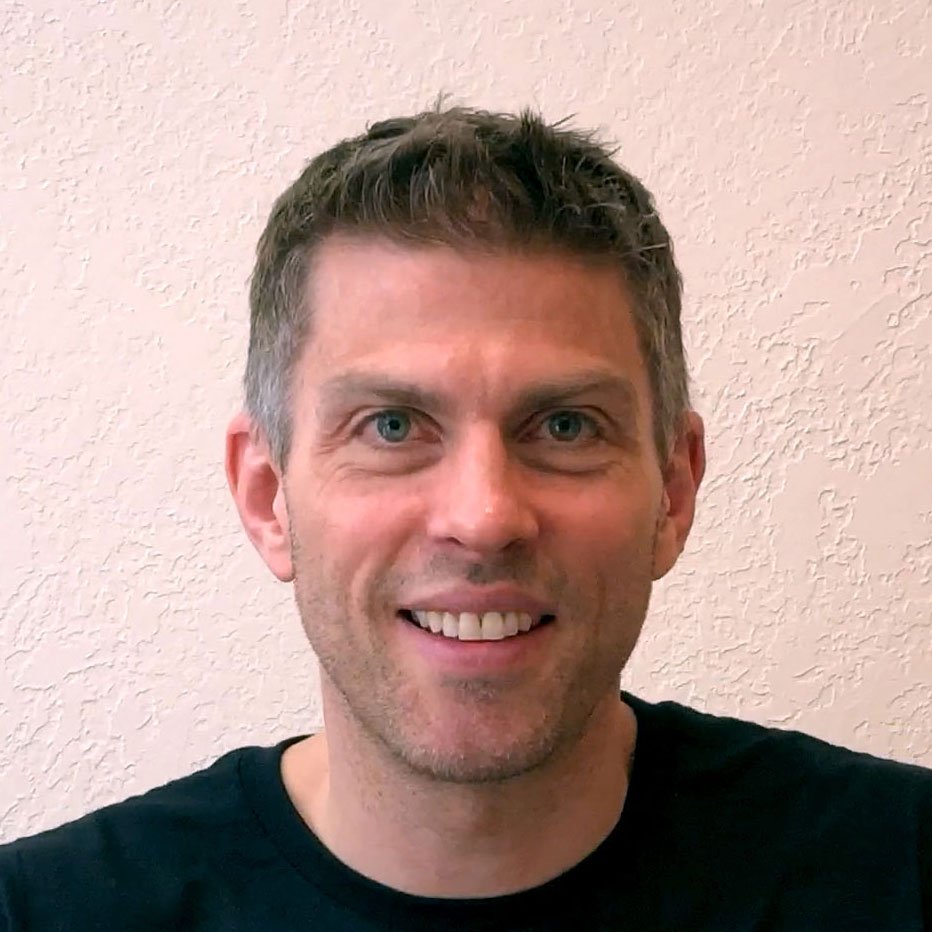
Meet Duel Ambassador Evan Summers – Training, Mindset, and the Pursuit of Speed
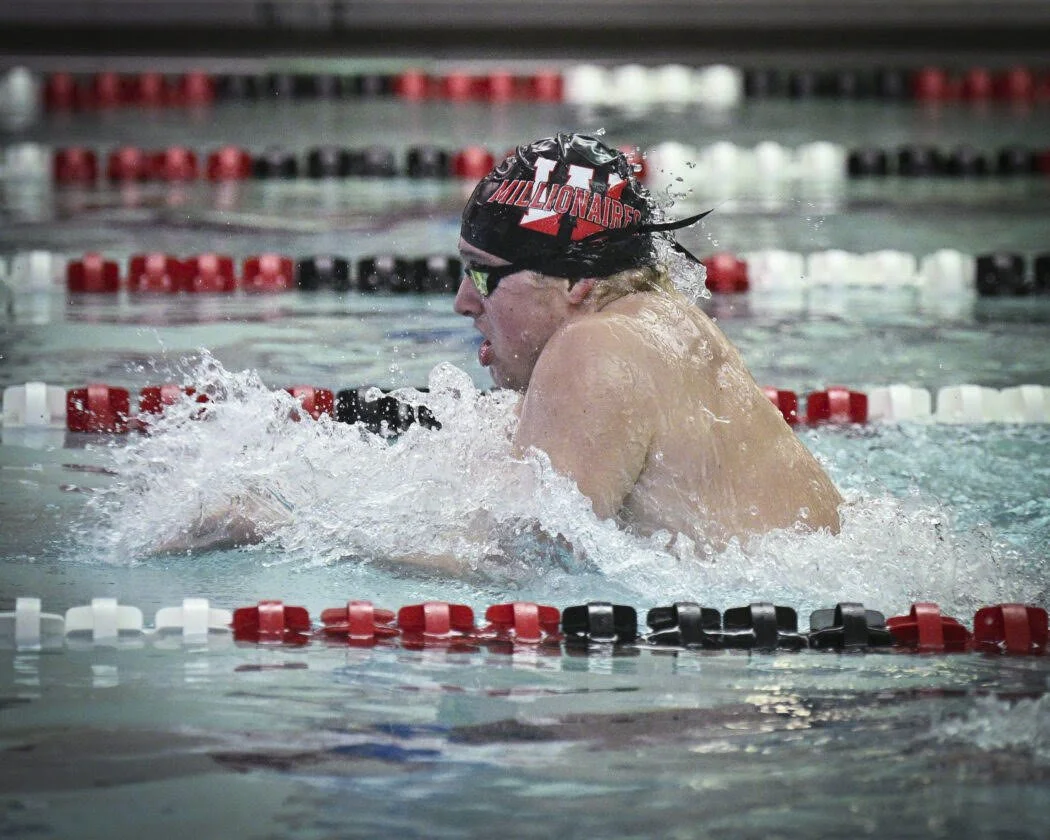
In the world of competitive swimming, improvement doesn’t come easy.
It’s built through early mornings, long practices, and the willingness to push through discomfort day after day. For swimmers chasing personal bests, the difference between staying the same and getting faster often comes down to mindset, consistency, and attention to detail.
That’s exactly what defines Evan Summers, a rising young athlete and member of the Duel Aquatics Ambassador Program.
In this athlete spotlight, we break down Evan’s journey—from how he started swimming to the training habits and mindset that continue to push him forward. Whether you’re a competitive swimmer, a parent, or someone looking to improve in the pool, there’s a lot to learn from how Evan approaches the sport.
When Evan Summers Started Swimming
Like many swimmers, Evan’s journey began at a young age.
“I started swimming when I was 7 years old at my local summer league team.”
Summer league is where countless swimmers first discover the sport. It’s fun, fast-paced, and often the gateway into year-round competitive swimming.
For Evan, that early exposure turned into something more.
What starts as a seasonal activity quickly becomes a routine—then a commitment—then a pursuit of improvement that shapes daily life.
That progression is familiar to swimmers everywhere.
Why Swimmers Keep Coming Back to the Water
Swimming is one of the most demanding sports, both physically and mentally. So why do swimmers stick with it?
For Evan, the answer is simple—and powerful:
“I swim because of how rewarding it is. Nothing can match the feeling of swimming a lifetime best after you’ve worked so hard for it.”
That moment—a lifetime best—is what swimmers chase.
It’s the result of:
Weeks of consistent training
Tough sets that didn’t feel great at the time
Small improvements that slowly add up
Unlike many sports, swimming gives you a clear, measurable outcome. The clock doesn’t lie.
And when all the work finally shows up in one race, there’s nothing quite like it.
Breaststroke Training: The Detail That Makes the Difference
Evan specializes in breaststroke—one of the most technical strokes in swimming.
Unlike freestyle, where rhythm and endurance dominate, breaststroke is all about timing, efficiency, and precision.
When asked what has helped him drop the most time, Evan pointed to one key factor:
“I think the most important part of breaststroke that I’ve incorporated a lot into my training this year was perfecting my stroke count. Making sure you have a consistent stroke count is so important for breaststroke.”
Why Stroke Count Matters in Breaststroke
Stroke count is a measure of efficiency—how far you travel per stroke.
In breaststroke:
Too many strokes = wasted energy
Too few strokes = loss of tempo
Finding the right balance is critical.
By focusing on stroke count, swimmers can:
Improve efficiency
Maintain better rhythm
Reduce unnecessary drag
It also builds awareness—something that separates average swimmers from great ones.
Evan’s focus on stroke count reflects a broader truth:
The swimmers who improve the most are the ones who focus on details.
How to Push Through Tough Swim Sets
Every swimmer knows what a tough set feels like.
Your body is tired. Your times are slipping. You start questioning whether you can finish strong.
This is where mindset becomes everything.
Evan’s approach is simple, but incredibly effective:
“Something that really helps me get through tough sets is reminding myself that I’ll never get better if I don’t push through and give it my all—and never improving is something swimmers have nightmares about.”
That idea—never improving—is something almost every swimmer fears.
It’s what keeps athletes pushing when things get hard.
The Reality of Swimming Progress
Improvement in swimming isn’t linear.
There are:
Plateaus
Frustrating practices
Meets where things don’t go your way
The difference is how you respond.
Swimmers who push through tough sets:
Build mental toughness
Develop consistency
Improve when others plateau
Evan’s mindset reflects a core principle of the sport:
You don’t get better by avoiding hard work—you get better by leaning into it.
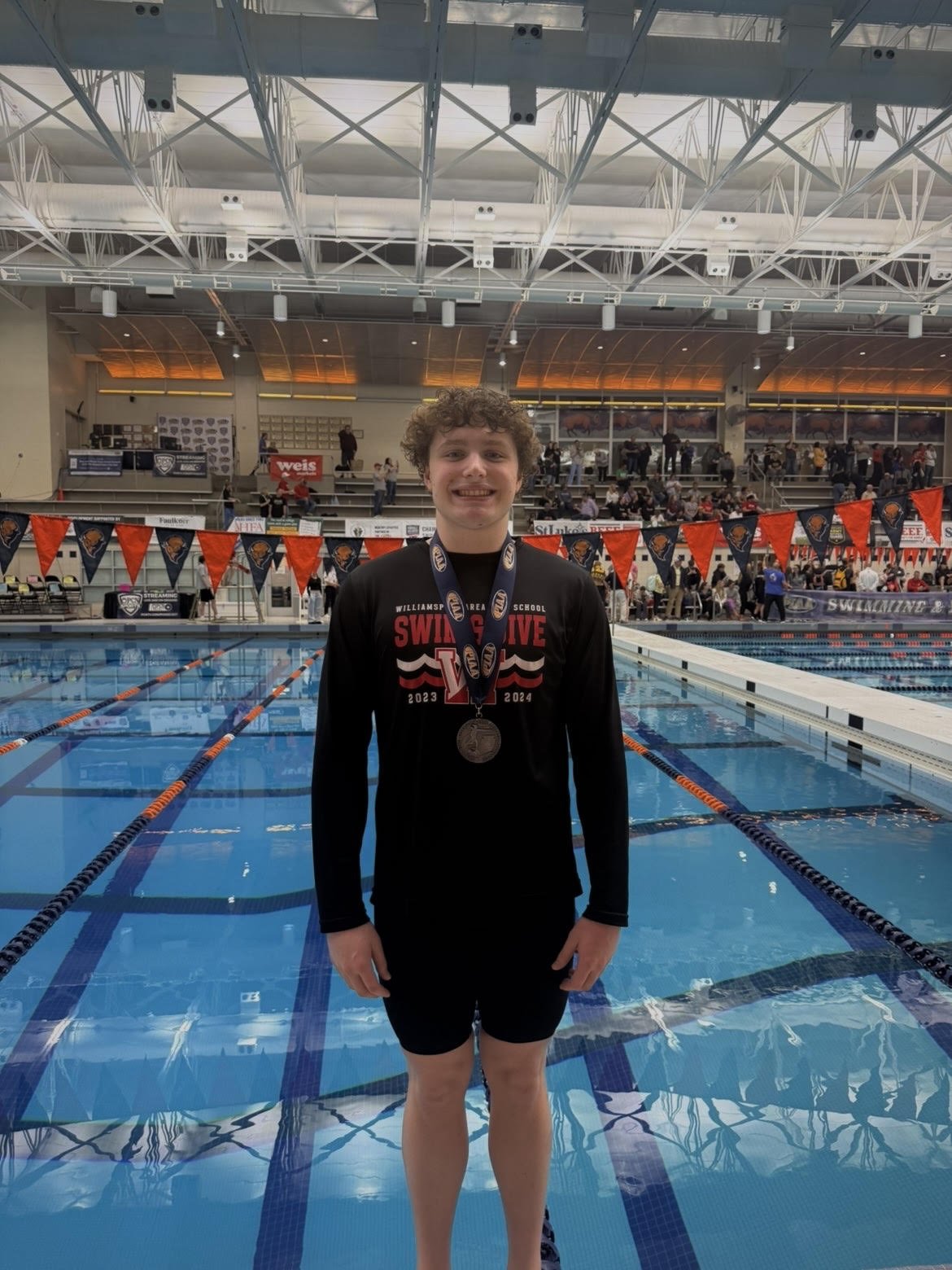
Future Goals: Competing at the Highest Level
Every competitive swimmer needs goals.
They provide direction, motivation, and a reason to keep pushing through the grind.
Evan’s goals are ambitious—and clearly defined:
“Some of my future goals in swimming are to ‘A’ final at NCAAs and break 50 seconds in the 100 breaststroke by the time I’m done with college.”
These are not small goals.
What It Takes to Reach This Level
To:
Make an NCAA “A” final
Break 50 seconds in the 100 breaststroke
You need:
Elite-level training
Years of consistency
Technical precision
Strong mental focus
But more importantly, you need belief.
Goals like these don’t happen overnight. They’re built through thousands of practices, small improvements, and a long-term commitment to getting better.
Training Gear That Keeps Up
In a sport built on repetition, gear matters.
Swimmers train in the same equipment every day, so it needs to perform consistently.
When asked about his experience training in the Duel Aquatics suit, Evan highlighted two things:
“I really prefer the Duel S-1 Eco Brief because of how comfortable it is while I’m training, and also how tight you are able to tie the drawstring. I never experienced that with any other suit.”
That last point is something many swimmers will recognize.
Why Fit and Comfort Matter in a Training Suit
A training suit should:
Stay secure during dives and turns
Feel consistent over time
Not require constant adjusting
If you’re thinking about your suit during practice, it’s a distraction.
The ability to tighten the drawstring and keep the suit locked in place is a small detail—but one that makes a big difference over hours in the pool.
Comfort + security = better focus.
What Swimmers Can Learn from Evan Summers
Evan’s journey highlights a few key takeaways for swimmers at any level:
1. Focus on the Details
Stroke count, technique, and efficiency matter—especially in strokes like breaststroke.
2. Embrace the Hard Work
Progress comes from pushing through tough sets, not avoiding them.
3. Stay Motivated by Improvement
That feeling of a lifetime best is what makes the sport worth it.
4. Set Big Goals
Having clear, ambitious goals helps guide your training.
5. Use Gear That Supports Your Training
Your suit should help you focus—not distract you.
The Bigger Picture: Building the Ambassador Program
At Duel Aquatics, the goal is simple:
Build a community of swimmers committed to battling for improvement every day.
Evan Summers represents that mindset.
Showing up to practice
Focusing on improvement
Chasing goals that require consistency
That’s what the sport is about.
Want to Be a Duel Ambassador?
Duel Aquatics is actively building a network of swimmers who want to represent the brand and help grow the swim community.
If you’re someone who:
Trains consistently
Cares about improvement
Wants to represent a performance-driven brand
There’s an opportunity to be part of it.
Final Thoughts
Swimming is one of the toughest sports out there.
It demands:
Discipline
Patience
Mental strength
But for those who stick with it, the rewards are unmatched.
As Evan puts it, nothing compares to the feeling of a lifetime best after putting in the work.
And that’s what keeps swimmers coming back to the water—day after day, lap after lap.