
The Best Dryland Training for Swimmers: Build Strength, Power, and Speed (2026 Guide)
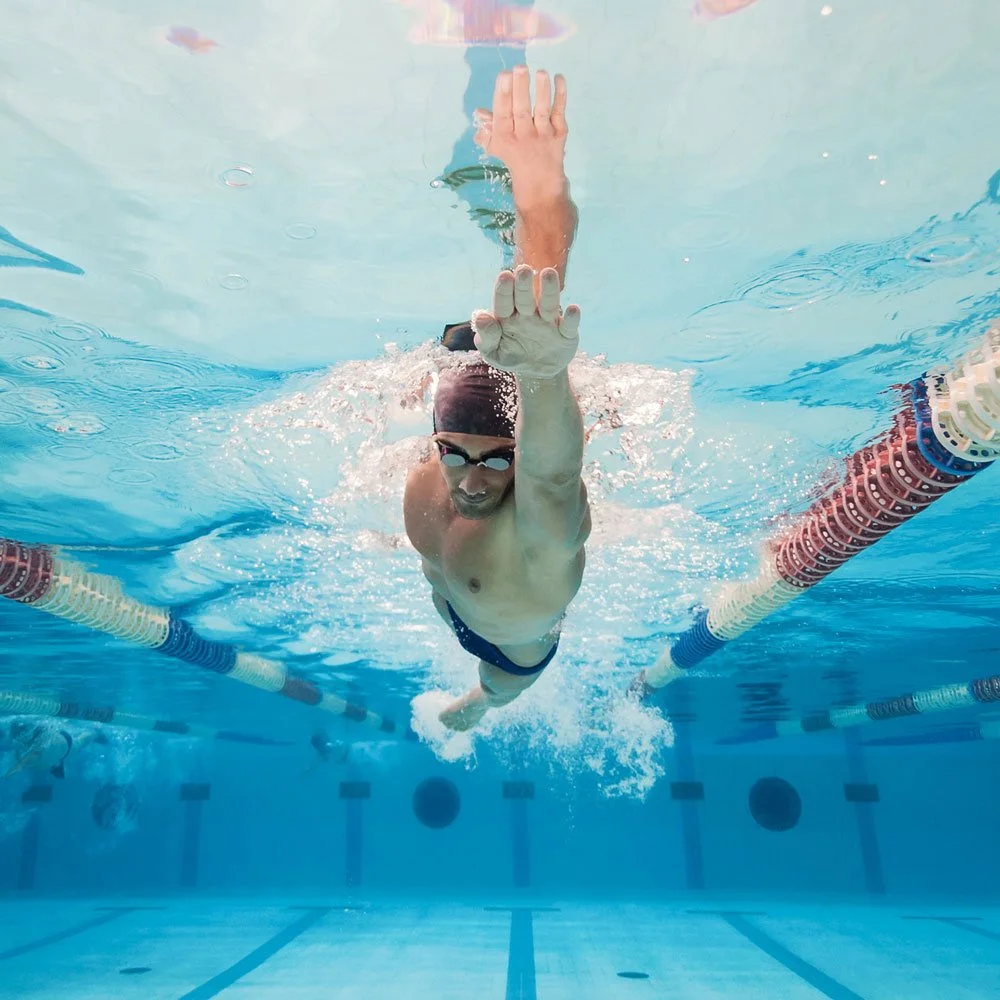
If you want to get faster in the water, you can’t rely on swimming alone.
The swimmers who improve the most aren’t just putting in yardage—they’re building strength, power, and stability outside the pool.
That’s where dryland training comes in.
Whether you’re a competitive swimmer, club athlete, or just looking to drop time, the right dryland routine can dramatically improve your performance in the water.
In this guide, you’ll learn:
The best dryland exercises for swimmers
How dryland translates to faster swimming
A simple weekly routine you can start today
Why Dryland Training Matters for Swimmers
Swimming is a full-body sport—but it’s also a resistance sport.
Every stroke you take is pushing against water, which means strength and efficiency play a huge role in performance.
Dryland training helps swimmers:
Build stronger pulls and kicks
Improve body position in the water
Increase power off the blocks and walls
Prevent common injuries (especially shoulders)
Maintain performance late in races
Without dryland, swimmers often plateau.
With it, they unlock another level.
How Strength Transfers to Speed in the Water
It’s not just about getting stronger—it’s about getting stronger in ways that translate to swimming.
Here’s how:
Core strength → better body alignment → less drag
Upper body strength → more powerful pulls
Leg strength → faster starts and turns
Explosiveness → better sprint performance
When done correctly, dryland doesn’t just make you stronger—it makes you faster.
The Best Dryland Exercises for Swimmers
Below are the most effective exercises every swimmer should include.
1. Planks (Core Stability)

If there’s one exercise every swimmer should do, it’s planks.
A strong core is essential for maintaining a streamlined position in the water.
Variations:
Standard plank (30–60 seconds)
Side plank
Plank with shoulder taps
Why it matters:
A stable core keeps your hips high and reduces drag—one of the biggest factors in swimming speed.
2. Pull-Ups (Upper Body Strength)
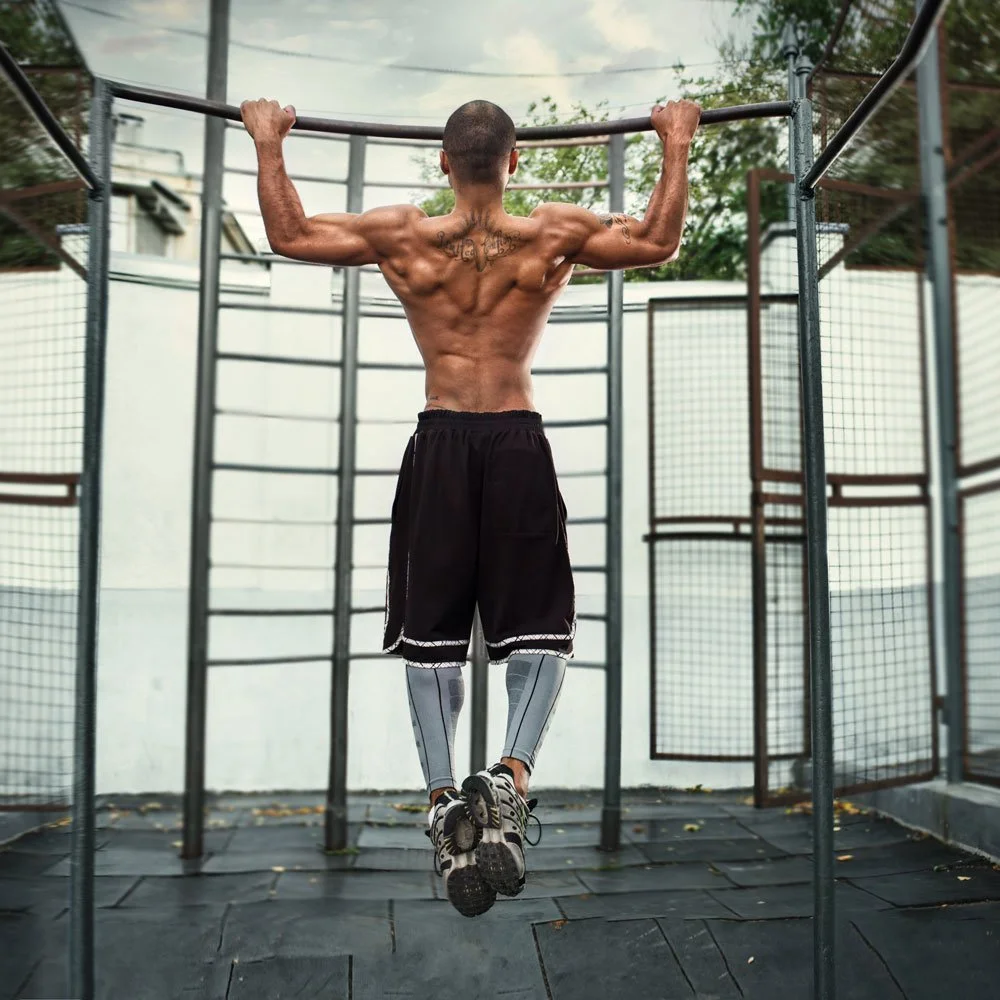
Pull-ups are one of the best exercises for improving pulling strength.
They directly translate to strokes like:
Freestyle
Backstroke
Butterfly
If you’re not there yet:
Use resistance bands
Try assisted pull-ups
Start with negatives (slow lowering)
Why it matters:
Stronger lats = more powerful strokes.
3. Squats (Lower Body Power)

Your legs are responsible for:
Starts
Turns
Kicking speed
Squats build the foundation for all of it.
Variations:
Bodyweight squats
Goblet squats
Barbell squats
Jump squats (for explosiveness)
Why it matters:
Powerful legs = faster walls and better race finishes.
4. Lunges (Balance and Strength)
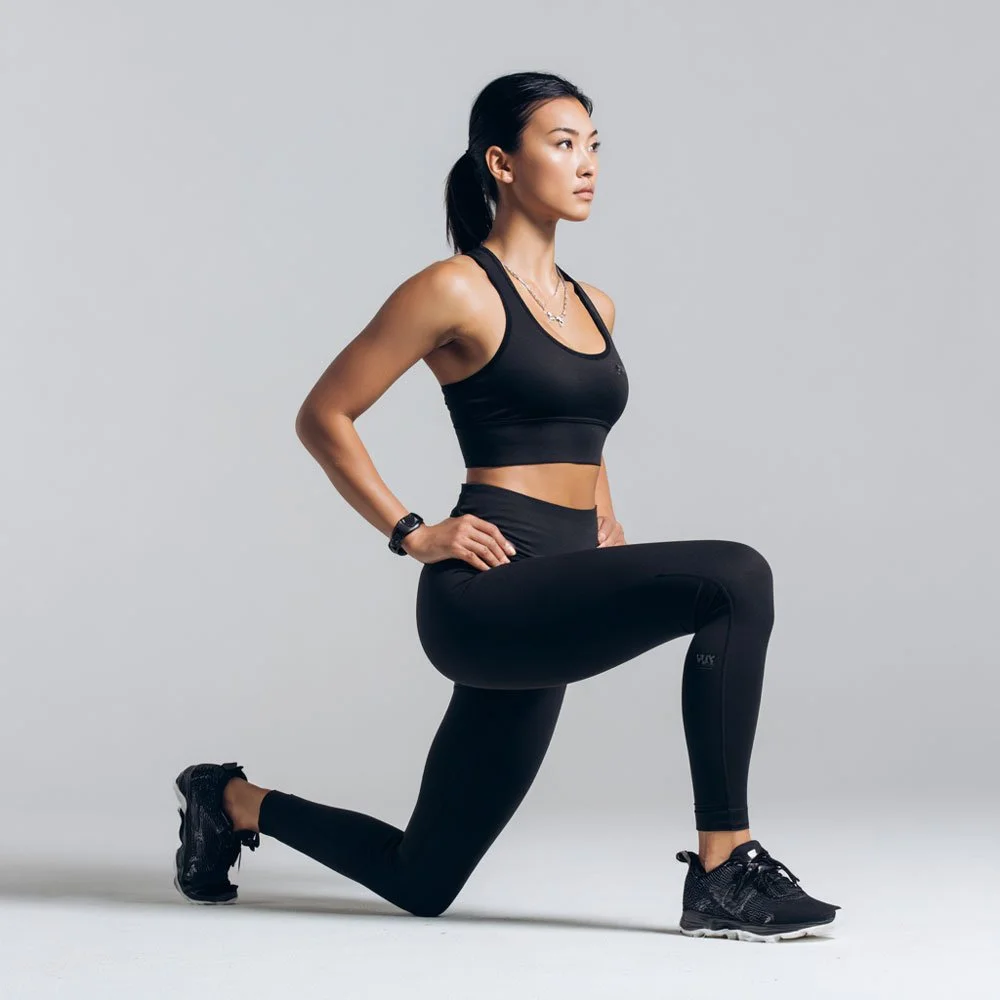
Swimming requires coordination and control—not just raw strength.
Lunges help improve:
Balance
Stability
Muscle symmetry
Variations:
Forward lunges
Reverse lunges
Walking lunges
Why it matters:
Balanced strength reduces injury risk and improves overall movement efficiency.
5. Medicine Ball Slams (Explosiveness)
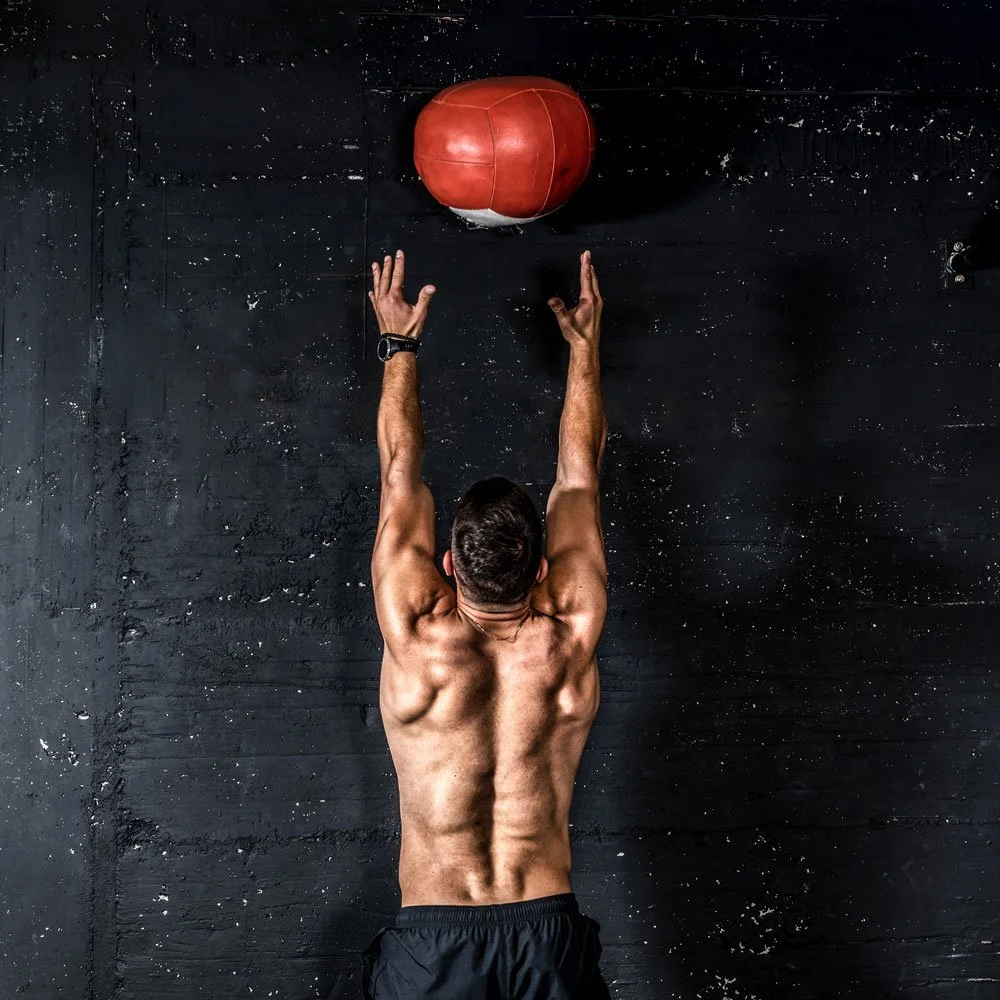
This is one of the best exercises for building power.
Focus on:
Fast, explosive movement
Full-body engagement
Why it matters:
Explosiveness translates to faster starts, turns, and sprints.
6. Shoulder Band Work (Injury Prevention)
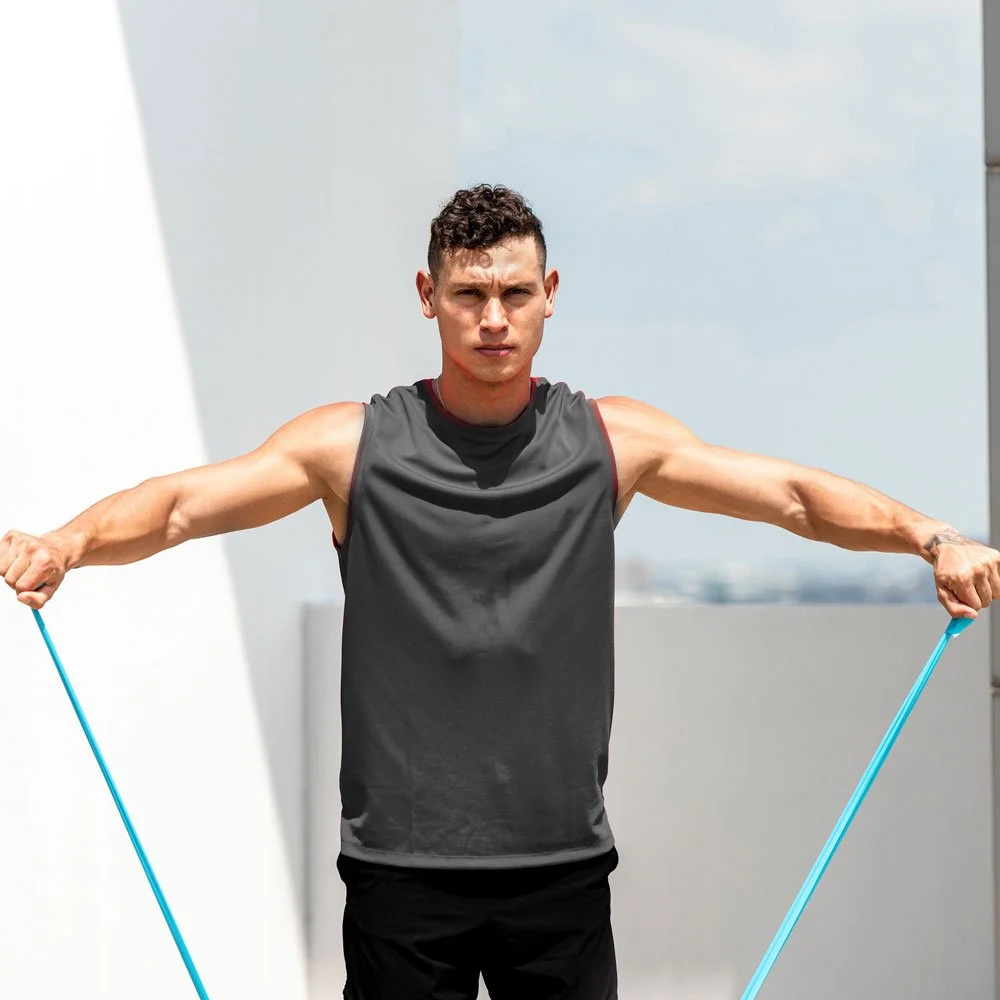
This is one of the most important—and most overlooked—parts of dryland training.
Swimmers put a huge amount of stress on their shoulders.
Key exercises:
External rotations
Internal rotations
Shoulder raises
Scapular activation work
Why it matters:
Healthy shoulders = consistent training = long-term improvement.
Common Dryland Mistakes Swimmers Make
Doing Random Workouts
Not all workouts translate to swimming.
Stick to movements that:
Build functional strength
Improve stability
Support your stroke
Ignoring Core Training
Many swimmers underestimate how important core strength is.
Weak core = poor body position = more drag.
Skipping Shoulder Work
This is one of the biggest mistakes.
Shoulder injuries are one of the most common issues in swimming—and most are preventable.
Overtraining
More isn’t always better.
Dryland should support your swimming—not exhaust you before practice.
How Often Should Swimmers Do Dryland?
For most swimmers:
2–4 sessions per week
Each session can be:
20–45 minutes
Focused and efficient
Consistency matters more than intensity.
Sample Dryland Workout for Swimmers
Here’s a simple routine you can start with:
Warm-Up (5–10 minutes)
Arm circles
Jump rope
Dynamic stretching
Strength Circuit (3 rounds)
30-second plank
8–10 pull-ups (or assisted)
12 squats
10 lunges (each leg)
10 medicine ball slams
Rest 60–90 seconds between rounds.
Shoulder Work (2 rounds)
12 external rotations
12 internal rotations
10 shoulder raises
Cool Down
Stretch shoulders, hips, and hamstrings
The Mental Edge of Dryland Training
Dryland isn’t just physical—it’s mental.
It teaches:
Discipline
Consistency
The ability to push through discomfort
These are the same traits that separate good swimmers from great ones.
When you commit to dryland, you’re not just building strength—you’re building habits.
What Separates Swimmers Who Improve Fastest
The swimmers who drop time consistently are the ones who:
Take dryland seriously
Stay consistent week after week
Focus on quality over quantity
Train with purpose
It’s not about doing more—it’s about doing the right things consistently.
Final Thoughts: Train Smarter, Swim Faster
If you’re only training in the water, you’re leaving improvement on the table.
Dryland training is one of the simplest ways to:
Get stronger
Prevent injuries
Improve performance
And the best part?
You don’t need a full gym or hours of time—just consistency and the right exercises.
Ready to Take Your Training Seriously?
Swimmers who commit to dryland training gain an edge that shows up in every race.
Start small. Stay consistent. Build strength over time.
Your future self—and your race times—will thank you.