
What to Eat Before Morning Swim Practice: The Ultimate Guide for Swimmers (2026)
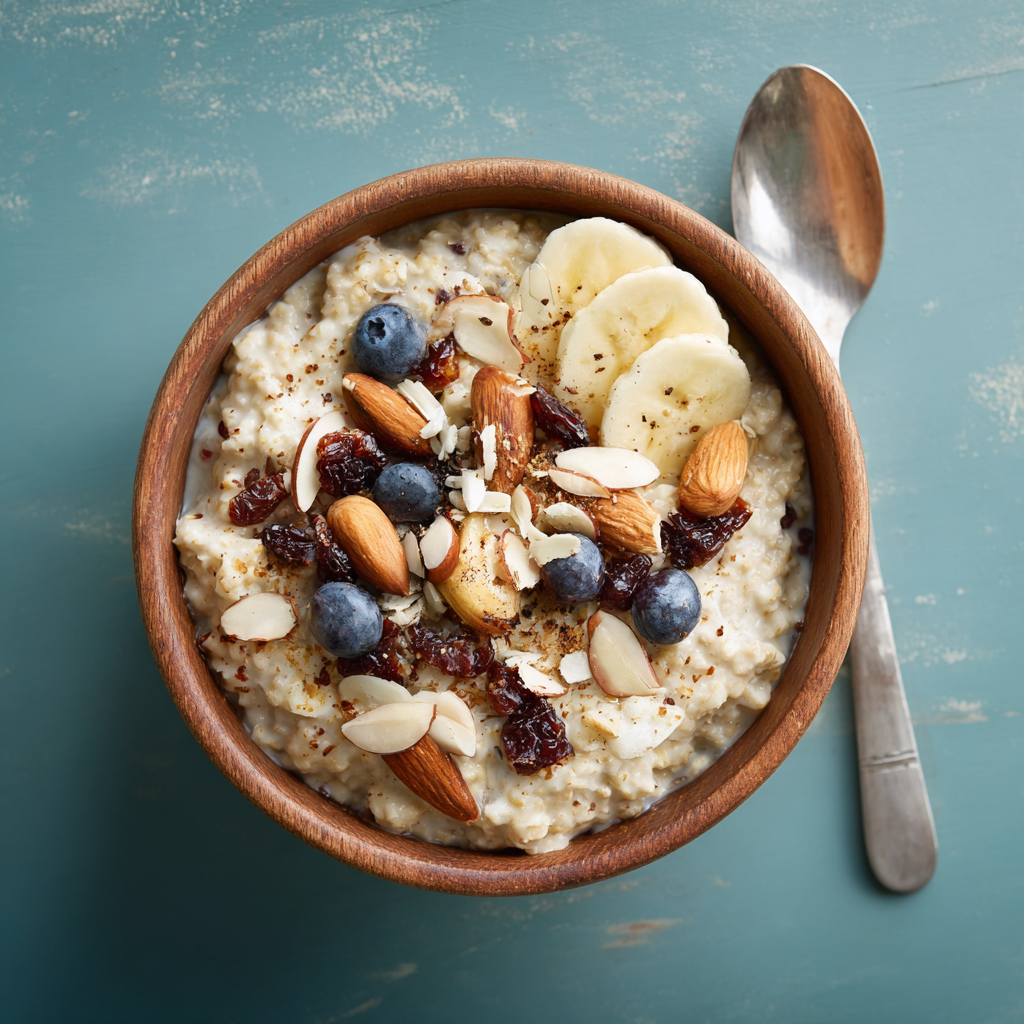
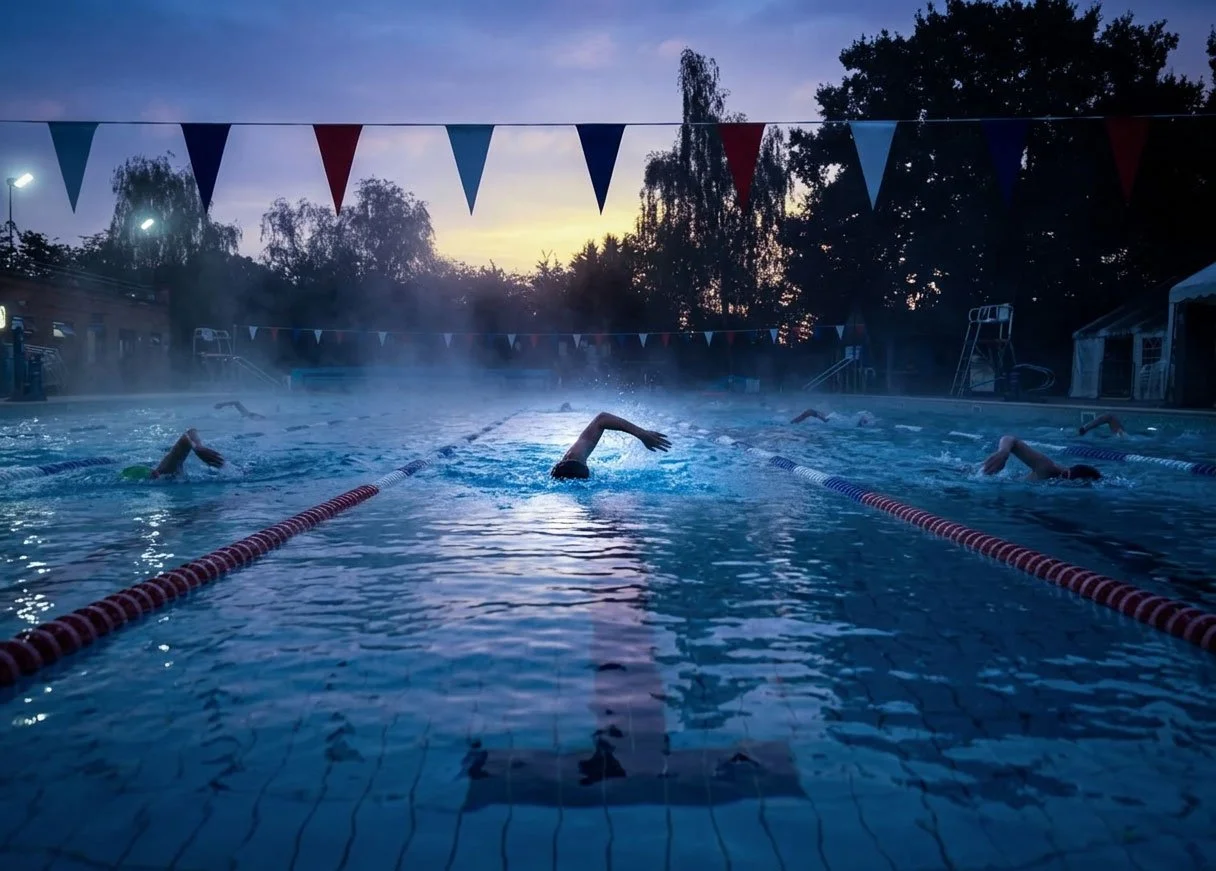
Early morning swim practice is one of the hardest parts of being a competitive swimmer.
The alarm goes off before sunrise. Your body feels half awake. And the last thing you want to think about is food.
So a lot of swimmers skip it.
They show up to practice on an empty stomach, hoping they’ll be fine.
Sometimes they are. But most of the time, they’re not performing anywhere near their potential.
The reality is simple:
What you eat before morning swim practice directly affects your energy, performance, and progress.
In this guide, you’ll learn:
What to eat before morning practice
When to eat (even if you’re short on time)
What to avoid
How to fuel for better performance in the water
Why Eating Before Morning Practice Matters
Swimming is a high-energy sport.
Even a standard practice can include:
Sprint work
Endurance sets
Kick sets
Drill work
All of that requires fuel.
When you skip eating, your body is forced to rely on limited energy stores. This can lead to:
Low energy early in practice
Slower times
Difficulty finishing sets
Poor focus and technique
Increased fatigue
Even worse, it can slow down long-term improvement.
What Happens When You Swim on Empty
When you wake up, your body is already in a fasted state.
You haven’t eaten for 8–10 hours.
That means:
Blood sugar is low
Energy reserves are limited
Your body is not primed for performance
Jumping into a high-intensity swim practice without fuel is like trying to drive a car on empty.
You might get through it—but not well.
What to Eat Before Morning Swim Practice
The key is to keep it:
Light
Easy to digest
Quick to prepare
You don’t need a full meal. You just need enough to give your body energy.
Best Pre-Swim Foods
Here are some of the best options for swimmers:
Banana
Easy to digest
Quick source of carbohydrates
Gentle on the stomach
Toast with Peanut Butter
Carbs + healthy fats
Sustained energy
Simple and reliable
Oatmeal
Great for longer practices
Provides steady energy
Can be customized with fruit or honey
Yogurt
Light and easy
Contains protein and carbs
Good option if you don’t feel like eating much
Protein or Energy Bar
Convenient
Easy to grab on the way out
Look for simple ingredients
How Much Should You Eat?
This depends on how much time you have before practice.
If you have 45–60 minutes:
Eat a small meal (toast + peanut butter, oatmeal, yogurt + fruit)
If you have 20–30 minutes:
Stick to something light (banana, small bar)
If you have less than 15 minutes:
Even a few bites of something is better than nothing
What to Avoid Before Practice
Not all foods are good before swimming.
Avoid anything that is:
Heavy or Greasy
Fast food
Fried foods
Large meals
These can make you feel sluggish and uncomfortable in the water.
Too Sugary
Candy
Sugary cereals
Energy drinks
These can cause energy spikes followed by crashes mid-practice.
New or Unfamiliar Foods
Never experiment before practice or meets.
Stick with what your body knows.
Hydration: The Most Overlooked Factor
Many swimmers focus on food—but forget hydration.
After a full night of sleep, your body is already slightly dehydrated.
What to do:
Drink water as soon as you wake up
Bring a water bottle to practice
Sip throughout your workout
Even mild dehydration can affect performance.
The Mental Side of Morning Fueling
Eating before practice isn’t just physical—it’s mental.
When you fuel your body:
You feel more prepared
You approach practice with more energy
You’re more likely to push through tough sets
Skipping food often leads to:
Low motivation
Early fatigue
Reduced effort
Small habits create big differences over time.
Post-Practice Nutrition (Just as Important)
What you eat after practice matters just as much as before.
Your body needs to:
Recover
Rebuild muscle
Replenish energy
Aim for:
Protein (eggs, yogurt, protein shake)
Carbs (toast, fruit, oatmeal)
This helps you recover faster and perform better at your next practice.
Common Nutrition Mistakes Swimmers Make
Skipping Food Completely
The biggest mistake.
Even a small snack is better than nothing.
Overeating Before Practice
Too much food can make you feel heavy and slow.
Keep it light.
Relying on Sugar for Energy
Quick sugar leads to crashes.
Focus on balanced, simple foods.
Ignoring Consistency
Your body performs best when it knows what to expect.
Find what works—and stick with it.
What the Best Swimmers Do
Top swimmers treat nutrition as part of training.
They:
Eat something before practice (even if it’s small)
Stay consistent with their routine
Prioritize recovery after practice
Hydrate properly
It’s not complicated—but it is consistent.
Simple Morning Routine for Swimmers
Here’s a realistic routine you can follow:
Wake up
Drink water
Eat a small snack (banana, toast, or yogurt)
Head to practice
Refuel after training
That’s it.
Small, repeatable habits.
Final Thoughts: Fuel Your Training, Improve Faster
Swimming improvement doesn’t just come from what you do in the water.
It comes from how you support your body outside of it.
Eating before morning practice is one of the simplest ways to:
Improve energy
Swim faster
Get more out of every session
You don’t need a perfect diet.
You just need to start.
Ready to Train Better?
The swimmers who improve the fastest are the ones who take care of the details.
Fueling your body is one of those details.
Start small. Stay consistent. Build better habits.
Your performance will follow.